


Thermal Safety and Compliance - Navigating Microwave Limitations in Sustainable Tableware
Mitigating Safety Risks: The Technical Barriers and Compliant Solutions for Microwaving Sustainable Disposables
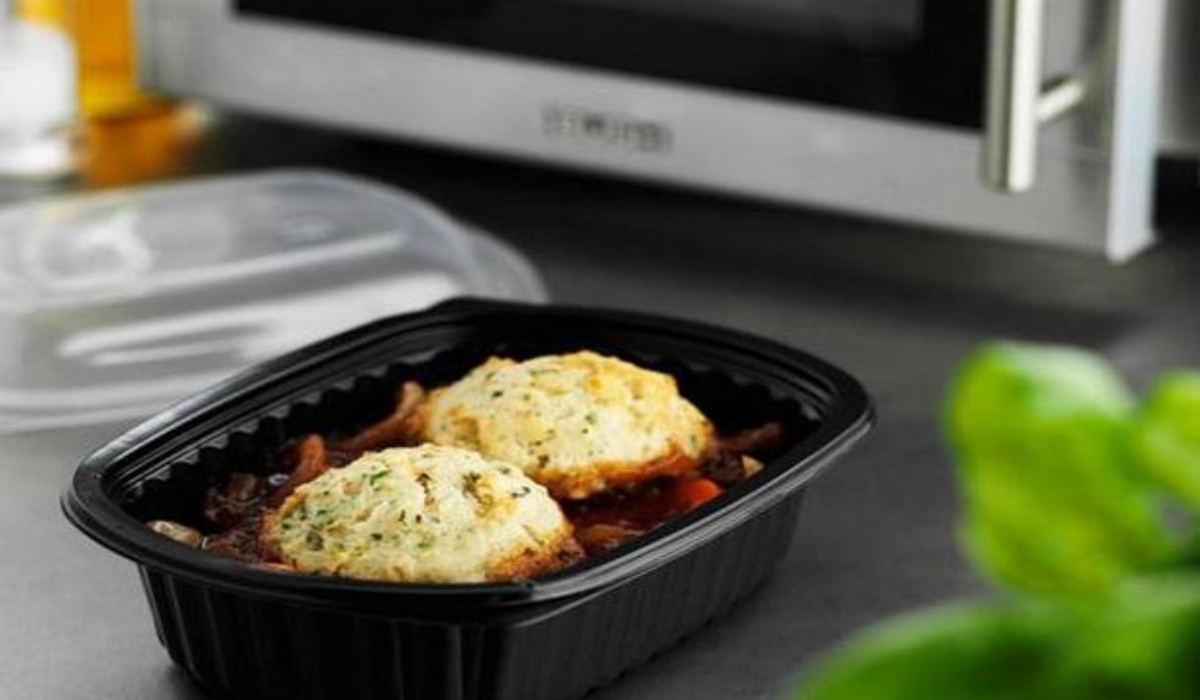
The ability to reheat food is a critical factor for many B2B clients in the meal preparation and institutional catering sectors. However, most seemingly "plastic-like" sustainable materials—PLA, CPLA, and PET—are fundamentally incompatible with microwave and oven heating. This incompatibility is not a performance flaw, but a safety and structural requirement driven by material science. This article explains the technical reasons for these limitations and identifies the few compliant solutions we offer for controlled reheating.
1. Technical Barrier: The Low Glass Transition Temperature (Tg)
The primary reason bio-plastics like PLA and conventional PET cannot be microwaved is their thermal profile.
Understanding Tg and Material Behavior
PLA and PET are thermoplastic polymers characterized by a relatively low Glass Transition Temperature (Tg). The Tg is the point at which the material shifts from a hard, glassy state to a soft, rubbery state.
- Impact of Microwaving: Standard microwave heating rapidly and unevenly elevates the temperature of the food and the container. This surge causes the material temperature to quickly exceed its Tg (PLA’s Tg is around 60°C), leading to immediate structural collapse, deformation, or melting.
- Safety and Compliance: Beyond physical failure, overheating these materials can induce or accelerate the migration of non-volatile substances into the food, potentially violating FDA and EU Food Safety Standards. Therefore, prohibiting microwave use is a regulatory compliance measure, not just a usage suggestion.
Conclusion: Microwaving PLA, CPLA, or PET is strictly forbidden due to inherent material science, safety, and regulatory compliance risks.
2. Safety and Usage Scenarios: Clear Client Communication
Clear and unambiguous communication regarding microwave safety is essential for B2B client education and liability management.
- Non-Microwavable Materials: We explicitly advise all clients that all PLA, CPLA, and PET products are non-microwavable. The intense heat of a microwave or oven will cause structural instability and potential release of odors, compromising both safety and food quality.
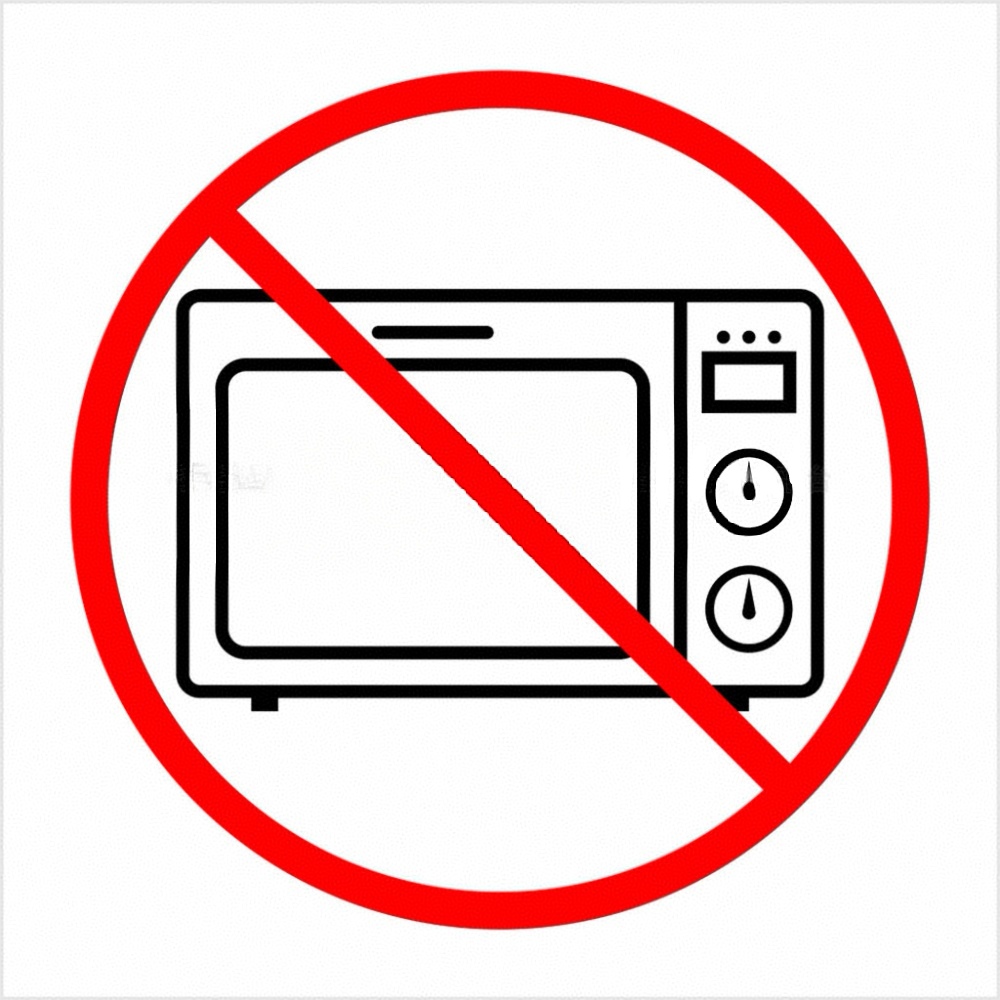
- Safety Markings: To enforce this crucial safety point, all non-microwavable items feature a large, clear "No Microwave" icon and warning text permanently debossed or printed on the base. This adherence to international product labeling standards reduces the client's liability from end-user misuse.
- Scenario Management: If a client's business model requires secondary reheating (e.g., ready-meal delivery services), the food must be transferred to a microwave-safe vessel (e.g., ceramic or glass) before heating, or they must utilize our specialized solution.
3. The Compliant Solution: High-Density Sugarcane Bagasse
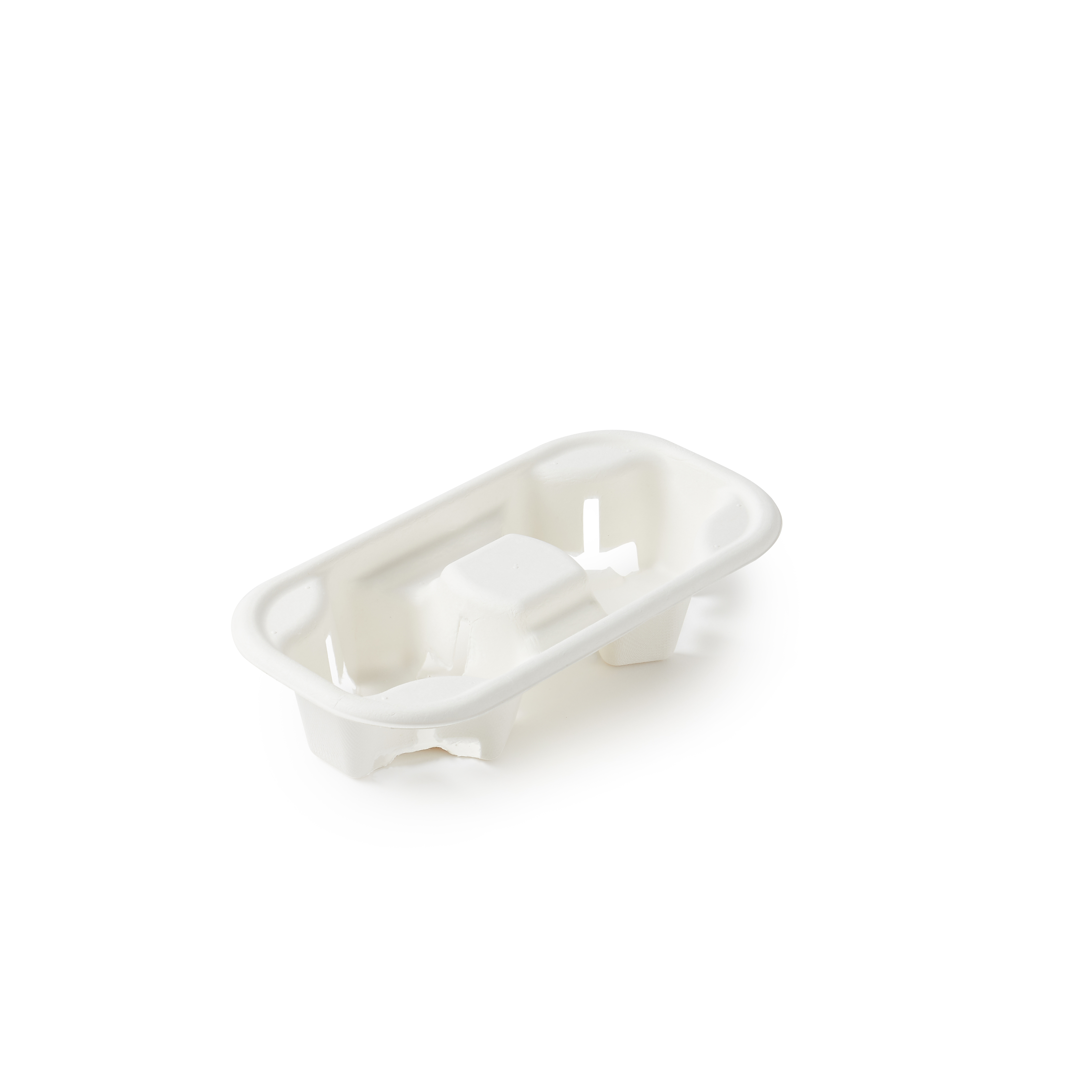
Our high-density bagasse range is the only sustainable product line we offer that has been engineered and tested for controlled microwave use.
Technical Design and Stability
Unlike plastics, bagasse is primarily cellulose fiber, which has a far higher degradation temperature. Our specialized high-density bagasse containers are manufactured without the common moisture-proofing films that can melt or off-gas, making them chemically stable under microwave energy.
Verified Performance Data
Our laboratory safety tests confirm the controlled reheating capability of this specialized line:
- Test Parameters: Containers are tested with standard food items in a 800W commercial microwave oven.
- Result: The containers safely withstand reheating cycles up to 90 seconds on a medium-high setting, exhibiting a measured deformation rate of less than 3% (Internal Lab Safety Test Ref: 20250720).
- Usage Limitation: This capability is strictly limited to reheating (short, controlled bursts) and is not suitable for prolonged cooking in a microwave or any use in a conventional oven.
4. Summary of Thermal Suitability
A clear reference table to guide safe material selection for reheating applications:
| Material | Microwavable? | Temperature Rating | Compliance Rationale |
|---|---|---|---|
| PET | NO | 0°C to 55°C | Low Tg; risk of melting and toxic substance migration. |
| PLA/CPLA | NO | 0°C to 85°C | Low Tg; risk of structural collapse and non-compliance. |
| Specialized Bagasse | YES (Controlled Reheating Only) | Up to 100°C | High cellulose stability; tested and certified for 90s reheating cycles. |
Conclusion: Prioritizing Safety and Clarity
Microwave safety is a non-negotiable aspect of responsible sustainable packaging. By understanding the material science behind the limitations of PLA, CPLA, and PET, and by clearly communicating these restrictions through labeling and documentation, we protect both end-users and our B2B clients from safety risks and regulatory non-compliance.
For clients whose operations require reheating capability, our high-density bagasse provides a safe, tested, and sustainable solution. This targeted approach ensures that every product in our portfolio is used within its designed and certified performance envelope, guaranteeing safety, quality, and compliance at every stage.